September 18, 2026
Indo-Chinese food is easy to get slightly wrong and still get away with it. A dish can look right on the plate, noodles, a glossy sauce, the right vegetables, while missing the sharp, garlic-forward heat that actually defines the style. That gap is exactly what a search for Indo Chinese restaurants near me is usually trying to close: not just finding a place that serves the dishes, but finding one that actually executes them the way the cuisine is meant to taste.
The difference is rarely obvious from a menu photo. It shows up in how the wok is handled, how the sauce is built, and how seriously a kitchen treats Indo-Chinese cooking relative to the rest of its menu.
Most people searching this phrase already know roughly what they want, chili garlic sauce with real heat, a Manchurian or Sichuan-style dish that isn't sweetened down, noodles with actual char from the wok. The real question underneath a best Indo Chinese restaurant near me search is whether a nearby kitchen treats the cuisine as its own discipline or as a couple of items bolted onto a general Indian menu to round it out.
Indo-Chinese cooking depends on high, direct heat. A wok tossed to order sears vegetables and proteins quickly, keeping texture crisp and giving the dish a faint smokiness that comes from brief contact with an extremely hot surface, sometimes called wok hei in Chinese cooking traditions. Held under a steam table or reheated from a batch, that same dish turns soft and loses the charred edges that are supposed to be there, even if the sauce still tastes roughly correct.
This is one of the more reliable ways to judge a kitchen quickly. A dish that arrives limp, with vegetables gone soggy rather than lightly blistered, is usually a sign of holding rather than fresh tossing, regardless of how the sauce is seasoned. The Monks operates on a made-to-order basis rather than pre-cooking batches ahead of service, which is a meaningful factor specifically for wok-based dishes, where the gap between fresh and held is larger than it is for a slow-simmered curry.
A lot of Indian restaurants list two or three Indo-Chinese dishes almost as an afterthought, usually a fried rice, a Manchurian, and a noodle dish, without the sauce base actually matching the rest of the kitchen's spice work. That's a reasonable signal to watch for, because Indo-Chinese cooking still relies on the same ginger, garlic, and chili base that runs through the rest of Indian cooking, just applied through a different technique. A kitchen that treats its Indo-Chinese section as equally central, rather than a small side category, tends to carry that same spice consistency across both parts of the menu.
An Indo Chinese restaurant Allen TX search result is worth a second look when the menu shows real range within the category itself, multiple protein options, both dry and saucy preparations, chili garlic alongside Sichuan-style dishes, rather than a single generic "Chinese fried rice" entry standing in for the whole cuisine.
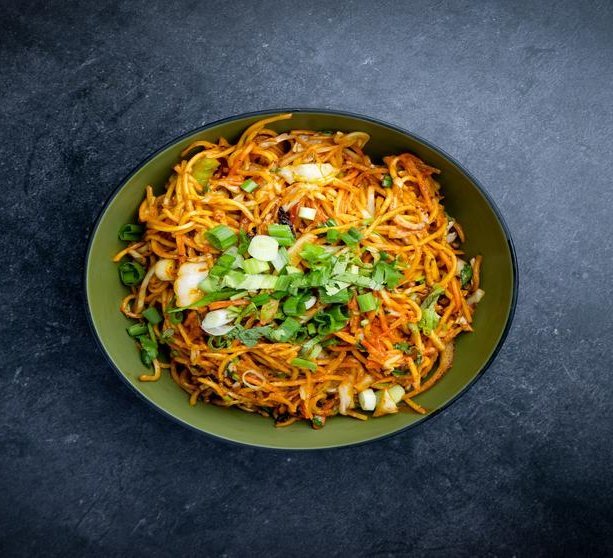
Allen has enough Indian restaurants now offering Indo-Chinese dishes that comparing options on proximity alone doesn't say much. At The Monks, located at 790 W Exchange Pkwy #140, the Indo-Chinese side of the menu includes chili garlic and Sichuan-style preparations alongside wok-tossed noodle and fried rice dishes, built on the kitchen's made-to-order approach rather than held from a batch. Customer feedback on the restaurant has specifically called out the wok-tossed Hakka noodles and a fried starter along the lines of Chicken 65, a dish that sits right at the intersection of Indian spice and Chinese technique that defines the cuisine.
That combination, real heat, made-to-order wok work, and a menu that doesn't treat Indo-Chinese as an afterthought, is the pattern worth checking for when comparing Indian Chinese restaurant near me options. Anyone weighing choices can browse the monksallen menu to see how the Indo-Chinese dishes are organized alongside the rest of the kitchen's cooking before deciding what to order.
Frequently Asked Questions
The clearest signals are fresh wok work rather than held or reheated dishes, a real ginger-garlic-chili spice base instead of a sweetened sauce, and a menu that treats Indo-Chinese cooking as a full category rather than two or three token items.
It's generally spicier than Chinese-American food by default, relying on green chilies and garlic rather than sweeter, cornstarch-based sauces, though most kitchens can adjust heat levels on request.
Freshly tossed dishes usually show some char on the vegetables or protein and keep distinct, separate strands or grains. A soft, uniformly soggy texture is typically a sign the dish was held or reheated rather than cooked fresh to order.
Wok-tossed dishes generally travel well for a single meal, since they're cooked dry or in a clinging sauce rather than a thin broth. Placing an online order directly with the restaurant tends to shorten the gap between the wok and pickup compared to routing through a third-party delivery app.
A few checks make it easier to judge an Indo-Chinese kitchen specifically, rather than the restaurant as a whole:
For anyone still comparing Indo Chinese restaurants near me results in Allen, the wok work and spice base tell you more than the menu description ever will. Questions about hours, location, or catering for larger groups are best answered by reaching out directly, rather than guessed at from a search result.