October 5, 2026
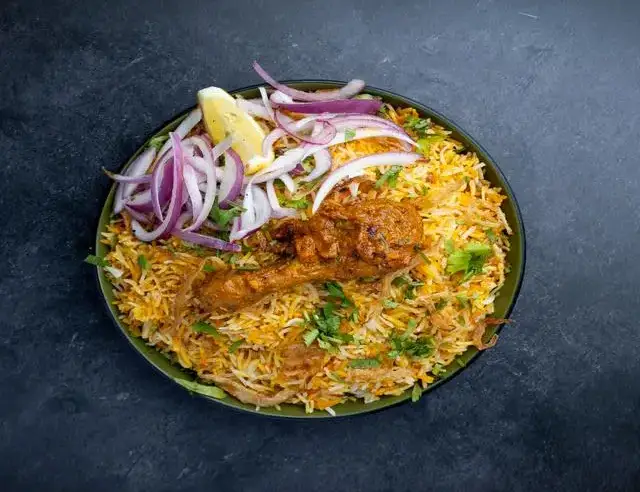
Most biryani gets its personality from spice blends, saffron, and slow-cooked aromatics. Gongura biryani gets its personality from a leaf. It's one of the more distinctive regional biryanis in Indian cooking, built around a sour, tangy green that doesn't show up in most biryani recipes at all, and it comes from a part of India known for pushing spice and sourness further than almost anywhere else.
For anyone used to the more familiar Hyderabadi or Lucknowi styles of biryani, gongura biryani is a genuinely different experience, and knowing what gongura actually is makes the dish a lot easier to appreciate on a first try.
Gongura refers to a specific leafy green, sorrel, used widely in the cooking of Andhra Pradesh and Telangana, two states in southeastern India known for some of the boldest, spiciest regional cooking in the country. In a biryani, gongura is cooked down into the base before the rice and meat are layered in, giving the dish a sharp, tangy edge that a standard tomato or yogurt-based biryani doesn't have. Paired with goat, a meat already common across South Indian cooking, the result is a biryani built around sourness and heat working together rather than the richer, more aromatic profile most people associate with the word "biryani."
Gongura, botanically a variety of sorrel in the hibiscus family, grows widely across Andhra Pradesh and Telangana and has been part of the region's cooking for generations, most famously in gongura pachadi, a chutney made by cooking the leaves down with chilies and spices into a thick, intensely sour-spicy paste. That chutney is often considered the defining dish of the region, and its popularity is part of why gongura eventually found its way into other preparations, including biryani, as cooks adapted the same souring ingredient to different formats.
The leaf's tang comes from naturally occurring oxalic acid, the same compound that gives sorrel varieties their sharp flavor in other cuisines around the world. Andhra cooking in general is known for layering sourness and heat rather than relying on one or the other, and gongura is one of the clearest examples of that approach, since the leaf itself does most of the flavor work before any chili is even added.
Goat meat is a staple across South Indian cooking, and it holds up particularly well in a dish built around a strong, acidic base like gongura. Goat is leaner and denser than chicken, which means it benefits from a longer, slower cook, giving the meat time to tenderize while absorbing the tangy, spiced gongura base rather than cooking too quickly and staying tough. That slower cook also lets the sourness from the gongura work its way into the meat itself, rather than sitting only in the rice and gravy around it.
This is part of why gongura biryani is traditionally associated with goat or mutton more than chicken. The richer, more substantial texture of the meat stands up to the intensity of the gongura base in a way that a lighter protein doesn't always match.
Gongura biryani isn't a dish every Indian restaurant carries, since it requires sourcing and preparing gongura specifically rather than relying on a standard biryani base used across the whole menu. At The Monks, located at 790 W Exchange Pkwy #140, gongura biryani is part of a dedicated biryani lineup that goes beyond the more commonly seen styles, reflecting the kind of regional range that separates a kitchen built around specific South Indian traditions from one offering a single generic biryani recipe across every order.
That range matters for diners looking for something beyond the biryani styles most commonly found outside of India. Anyone curious how goat gongura biryani sits alongside the kitchen's other biryani options can browse the monksallen menu to see the full lineup before deciding what to order.
Frequently Asked Questions
Gongura has a sharp, sour, almost citrus-like tang, similar to other sorrel varieties used in cooking around the world, with an earthy, slightly bitter undertone beneath the sourness.
It tends to carry more heat and tang than a standard biryani, since Andhra cooking generally leans toward bolder spice levels, though most kitchens can adjust heat on request.
Goat is denser and benefits from a longer, slower cook, which allows it to absorb the tangy gongura base fully while becoming tender, a process that suits goat's texture better than a quicker-cooking protein like chicken.
Yes. Like most biryanis, it's a sealed, slow-cooked dish that holds up well after pickup. Placing an online order directly with the restaurant is the most reliable way to get it fresh rather than routing through a third-party delivery app.
A few things make a first order of goat gongura biryani easier to approach:
Gongura biryani is a useful reminder that "biryani" isn't one dish with regional variations in name only, it's a format that changes meaningfully depending on where in India it comes from. Questions about hours, location, or catering for larger groups are best answered by reaching out directly, rather than guessed at from a search result.