
Craving Indo Chinese Near Me in Allen? Here's What The Monks Gets Right
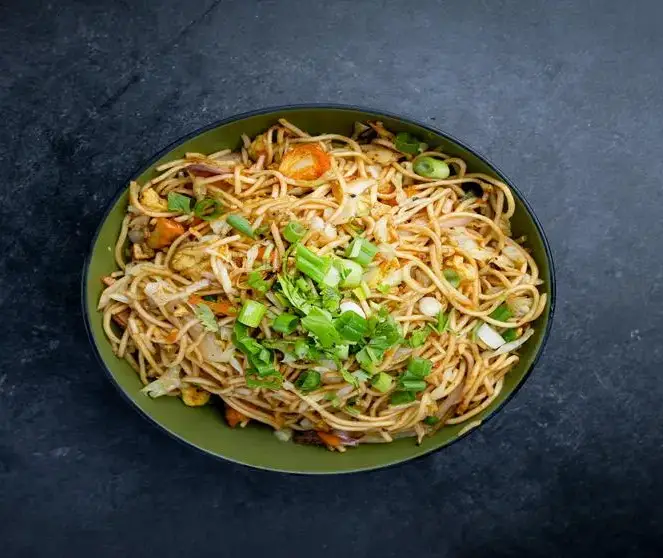
A search for Indo Chinese near me Allen TX usually comes from a specific craving, not a general one. Someone isn't just looking for "Chinese food nearby." They're looking for the version with chili garlic sauce that actually has heat, gravy-based Manchurian instead of a dry stir-fry, and noodles seasoned with the sharp, garlicky punch that separates this style from a typical American Chinese takeout menu.
That distinction gets lost easily because Indo-Chinese food shares a menu format with mainland Chinese and Chinese-American cooking, but almost none of the same spice logic. Knowing what actually makes it different changes how a search like best Indo Chinese near me should be answered.
In This Article
- What "Indo Chinese Near Me" Searches Are Really Asking
- Where Indo-Chinese Cuisine Actually Comes From
- The Spice Logic That Separates It from Chinese-American Food
- Indo-Chinese at The Monks, and How It Fits Allen's Dining Habits
- What First-Time Visitors Should Order
- Frequently Asked Questions
What "Indo Chinese Near Me" Searches Are Really Asking
Most people typing Indo Chinese near me Allen already know the difference between this cuisine and a general Chinese restaurant, even if they haven't named it that way before. They're asking whether a kitchen nearby understands the heavier use of ginger, garlic, and dried red chilies that defines the style, rather than just adding a soy-based sauce to standard stir-fry vegetables. For an Indian Chinese restaurant near me search specifically, the real question underneath is usually about authenticity of technique, not just menu overlap.
Where Indo-Chinese Cuisine Actually Comes From
Indo-Chinese cooking did not develop in China. It was built inside India, largely in Kolkata's Tangra neighborhood, where Hakka Chinese immigrants settled beginning in the late 19th century and opened tanneries and later restaurants. Over generations, that community adapted Cantonese and Hakka cooking techniques to ingredients available locally in India and to the spice preferences of Indian customers around them.
That history matters because it explains why the cuisine looks Chinese on paper (noodles, fried rice, wok-tossed proteins) but tastes distinctly Indian underneath. Dishes like chili chicken and Gobi Manchurian were never part of any regional Chinese tradition. They were invented in Kolkata, by a Chinese immigrant community cooking for an Indian audience, which makes Indo-Chinese food its own culinary lineage rather than a diluted version of something else.
The Spice Logic That Separates It from Chinese-American Food
Indo-Chinese cooking relies on a spice base built around ginger-garlic paste, green chilies, and often Kashmiri red chili powder for color and a milder background heat, layered on top of traditional wok technique. Chinese-American cooking, by contrast, tends to lean on cornstarch-thickened sauces, soy sauce, and a sweeter overall profile designed around Western takeout expectations.
This is why a dish like chili garlic Indo Chinese Allen style tastes noticeably sharper and spicier than a chili garlic sauce from a typical American Chinese menu. The high-heat wok toss is shared between both traditions, but the seasoning underneath is what actually defines the cuisine, and it's the clearest way to judge whether a kitchen is making Indo-Chinese food or simply relabeling a standard Chinese-American dish.
Indo-Chinese at The Monks, and How It Fits Allen's Dining Habits
Allen's dining scene has grown quickly, and that growth has widened the gap between kitchens that treat Indo-Chinese as its own cuisine and ones that fold a couple of Chinese-sounding items onto a general Indian menu as an afterthought. At The Monks, located at 790 W Exchange Pkwy #140, Indo-Chinese dishes include chili garlic preparations and Sichuan-style entrees built with the same ginger-garlic-chili base used across the rest of the kitchen's cooking, rather than a separate, disconnected sauce system.
This pairing of Indian fusion cooking and Indo-Chinese dishes under one roof reflects how a lot of local diners actually eat: ordering a curry or tandoor dish alongside something wok-tossed in the same meal, rather than treating them as two separate cuisines. Anyone comparing options after searching Indo Chinese food Allen TX can browse the full menu to see how these dishes are grouped and priced before deciding what to order.
Weeknight takeout and office lunch orders lean heavily toward Indo-Chinese dishes locally, since chili garlic and Sichuan-style preparations travel and reheat well compared to some cream-based curries, which can separate slightly after sitting in a container.
What First-Time Visitors Should Order
A few starting points make a first Indo-Chinese order easier to navigate:
- First-time visitors: Chili garlic dishes give the clearest read on how a kitchen handles the style's core spice base, since the sauce itself is the entire test.
- Spice-forward eaters: Sichuan-style entrees are a good choice for anyone who wants more heat layered into the dish rather than concentrated in a single sauce.
- Vegetarian diners: Paneer-based options work well here, since Indo-Chinese cooking substitutes easily between protein and paneer without losing the sauce's character.
- Groups or families: Ordering one Indo-Chinese dish alongside a curry or tandoor item shows the wider range of the kitchen rather than sticking to one style for the whole table.
Indo-Chinese dishes also tend to show up more at group and celebration dinners than diners expect. Because dishes like chili garlic preparations are wok-tossed to order and served hot, they work well as a shared middle course between milder curries and heavier tandoor items, which is part of why the style has become a fixture at family and weekend dinners across Indian households, not just a side note on the menu.
For anyone weighing multiple Indian restaurants near me in Allen against each other for Indo-Chinese specifically, the spice base underneath the dish is a better signal than the menu description alone. Questions about hours, location, or catering for larger groups are best answered by reaching out directly, rather than guessed at from a search result.
Frequently Asked Questions
FAQs
What makes Indo-Chinese food different from regular Chinese food?
Indo-Chinese food was developed in India, mainly by Hakka Chinese immigrants in Kolkata, and uses an Indian spice base of ginger, garlic, and chili rather than the soy and cornstarch-heavy sauces typical of Chinese-American or mainland Chinese cooking.
Is Indo-Chinese food usually spicier than Chinese-American food?
Generally, yes. The reliance on green chilies and dried red chili gives most Indo-Chinese dishes more heat than their Chinese-American counterparts, though spice levels can typically be adjusted on request.
Are there vegetarian Indo-Chinese options?
Yes. Paneer and vegetable versions are common across Indo-Chinese menus, since the cuisine developed alongside a large vegetarian customer base in India and adapts easily to protein substitutions.
Is Indo-Chinese food good for takeout or delivery?
Wok-tossed Indo-Chinese dishes generally hold up well for takeout since they're cooked dry or in a clinging sauce rather than a thin broth. Placing an online order directly with the restaurant tends to preserve texture better than routing through third-party delivery apps, which can add extra transit time.